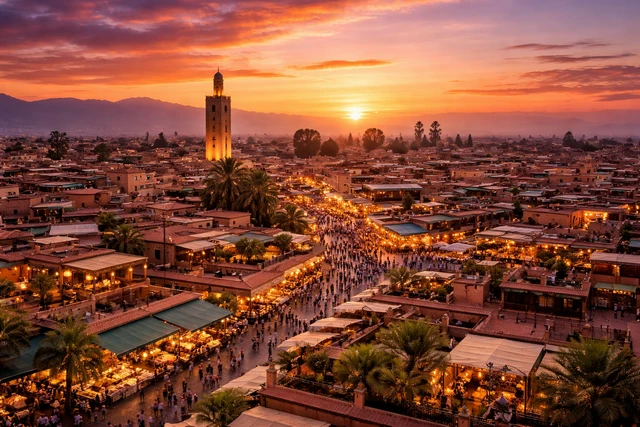


The Cuisine of Marrakech: a gourmet experience of tradition, spices, and Moroccan lifestyle
The cuisine of Marrakech is one of the great pleasures of a stay in the Red City. It appeals through its generosity, its aromatic depth, its refinement, and its ability to transform a meal into a true cultural experience. In Marrakech, gastronomy is not limited to a few well-known dishes. It expresses a way of life, a way of welcoming, sharing, and making the senses travel.
Discovering the cuisine of Marrakech means entering a world where spices are measured with subtlety, where recipes tell family stories, where fresh products hold an essential place, and where hospitality is expressed at the table. Whether it is a dinner in a riad, a lunch in the medina, a festive meal, or a more contemporary address, the city offers remarkable culinary richness.
The cuisine of Marrakech attracts both lovers of tradition and those seeking a refined, elegant, and exotic gastronomy. It manages to be both popular and sophisticated, convivial and refined, simple in ingredients and complex in flavor.
What defines the cuisine of Marrakech?
The cuisine of Marrakech is first defined by balance. Its flavors are often rich but rarely aggressive. Spices bring depth rather than brute force. Slow cooking allows tastes to develop gently. Sweet-and-savory combinations create an immediately recognizable identity.
Another essential characteristic is that the cuisine of Marrakech is a cuisine of sharing. Food is served, tasted, and enjoyed slowly. A meal is a social moment. It belongs to a culture of hospitality in which the pleasure of receiving matters as much as what is on the plate.
Finally, the cuisine of Marrakech values the relationship between tradition and creativity. Great historical recipes continue to exist, yet they can be interpreted with more lightness or modernity depending on the place and the chef.
Spices, the soul of the cuisine of Marrakech
It is impossible to speak about the cuisine of Marrakech without mentioning spices. They are at the heart of flavor, aroma, and the identity of dishes. Yet their use is not caricatural. Moroccan culinary art is based on dosage, harmony, and balance.
Cumin, turmeric, ginger, cinnamon, coriander, paprika, saffron, pepper, and ras el hanout are among the most present aromas. They do not serve only to intensify dishes, but to build layers of flavor. In the cuisine of Marrakech, one spice may bring warmth, another roundness, and another a floral or woody note.
The spice markets of the medina also remind visitors how closely cuisine and trade are linked in Marrakech. Even before tasting, one can already smell the city.
The tagine, gourmet symbol of Marrakech
The tagine is undoubtedly the most emblematic dish of the cuisine of Marrakech. Its success comes as much from its flavor as from its method of cooking. Slow preparation allows ingredients to merge gradually and release all their richness.
There are countless versions: chicken with preserved lemon and olives, lamb with prunes, vegetable tagine, kefta tagine, tagines with dried fruits, or herb-based variations depending on the season and family traditions. Each one has its own personality.
The tagine perfectly illustrates the cuisine of Marrakech: patient, fragrant, generous, and deeply rooted in conviviality.
Couscous, a dish of sharing and memory
Couscous holds a major place in the cuisine of Marrakech. It evokes gathering, tradition, and transmission. Served during family moments or festive occasions, it is one of the dishes that structure Moroccan culinary memory.
Depending on habits, it may be prepared with vegetables, different meats, or in simpler versions. Couscous expresses a particular generosity. It does not merely nourish; it creates a moment.
Within the cuisine of Marrakech, it reminds us of the deep link between gastronomy and collective life.
Pastilla, refinement and contrast
Pastilla is one of the most sophisticated dishes in the cuisine of Marrakech. It charms with its play of textures and its subtle mixture of sweet and savory flavors. Beneath its crisp pastry lies a fragrant, delicate filling that makes it a festive dish par excellence.
Pastilla shows how elegant and surprising the cuisine of Marrakech can be. It speaks both to the palate and to the imagination.
Moroccan salads and the art of beginning a meal
The cuisine of Marrakech is not limited to slow-cooked main dishes. Salads occupy an important place. They often begin the meal and bring freshness, contrast, and diversity. Carrots, tomatoes, peppers, eggplants, zucchini, and aromatic herbs lend themselves to numerous preparations.
These salads reveal another side of Marrakech gastronomy: lighter, more vegetal, yet always flavorful and generous.
Pastries and mint tea
Sweets occupy an essential place in the cuisine of Marrakech. Gazelle horns, chebakia, briouates, ghriba, and other pastries made with almonds, honey, or seeds extend the meal or accompany moments of welcome.
Mint tea completes this world. More than a drink, it represents a gesture of hospitality. Its service, its presence at different moments of the day, and its association with sweets make it a symbol of Moroccan hospitality.
Where can you discover the cuisine of Marrakech?
The cuisine of Marrakech can be discovered in many contexts. In riads, it often takes on a warm and intimate form. In traditional restaurants, it presents its great classics. In more contemporary places, it reinvents itself with subtlety. In the medina, it is experienced close to products, spices, and local energy.
This diversity allows everyone to build a personal gastronomic experience according to their wishes: authentic, refined, convivial, immersive, or festive.
The cuisine of Marrakech and its relationship to the market
Markets and souks play an essential role in the cuisine of Marrakech. They provide vegetables, spices, dried fruits, herbs, oils, and ingredients that feed both everyday recipes and festive meals. Freshness remains at the heart of many preparations.
This direct connection between the market city and the table strengthens the culinary identity of Marrakech. Gastronomy there remains close to raw ingredients and to the rhythm of local life.
A cuisine linked to hospitality
The cuisine of Marrakech expresses a generous vision of welcome. Receiving, taking care, sharing, and honoring the guest are all part of local culture. This can be felt in meal composition, in the role of tea, in attention to presentation, and in the way people allow the moment to last.
This human dimension largely explains why Marrakech’s gastronomy leaves such a strong impression on visitors. One does not remember only a taste, but an atmosphere, a gesture, a table, a shared moment.
Tradition and modernity in Marrakech gastronomy
The cuisine of Marrakech evolves, like all living cuisines. Chefs and establishments reinterpret certain classics, lighten some recipes, play with presentation, or combine tradition with contemporary aesthetics. Yet this evolution does not erase the foundations of local gastronomy. On the contrary, it often highlights them even more.
The current success of Marrakech on the gastronomic scene comes precisely from this ability to preserve essential flavors while adapting them to new expectations.
Why does the cuisine of Marrakech attract so much admiration?
The cuisine of Marrakech appeals because it speaks to all the senses. It reassures and surprises at the same time. It is generous without being monotonous, rich without being heavy when well prepared, refined without losing its popular roots.
It also appeals because it says something about Marrakech itself: a city of welcome, contrast, warmth, elegance, and cultural depth.
Conclusion
The cuisine of Marrakech is much more than one aspect of the journey. It is one of its central threads. Through spices, iconic dishes, pastries, traditions of sharing, and the art of hospitality, it reveals the gourmet soul of the Red City. Discovering the cuisine of Marrakech means tasting a living, generous, and deeply memorable heritage.